
‘Die Sonette an Orpheus’: The Singing God and the Chalice of Being
Singing as Dasein: Orpheus, the revelation of Being and the transcendence of death in Rilke’s Sonnets.

Singing as Dasein: Orpheus, the revelation of Being and the transcendence of death in Rilke’s Sonnets.

Sepúlveda and De las Casas debated in Valladolid the justice of the war against the Indians, contrasting humanistic and theological views on humanity and conquest.

In an existential interpretation, Sartre presents Tintoretto as a bold and ambitious painter, inseparable from the city of Venice.

Second part of a study on the morality of slavery and the limits of the historical perspective.

Traditional Chinese poetry uses concrete and ritualistic language, not to describe reality, but to evoke it and connect with the essence of things.

The unexpected virtues of adversity and violence as drivers of progress and innovation.

Study on the morality of slavery and the limits of historical perspective.

An approach to a master of cynicism who reinvented horror and biting satire.
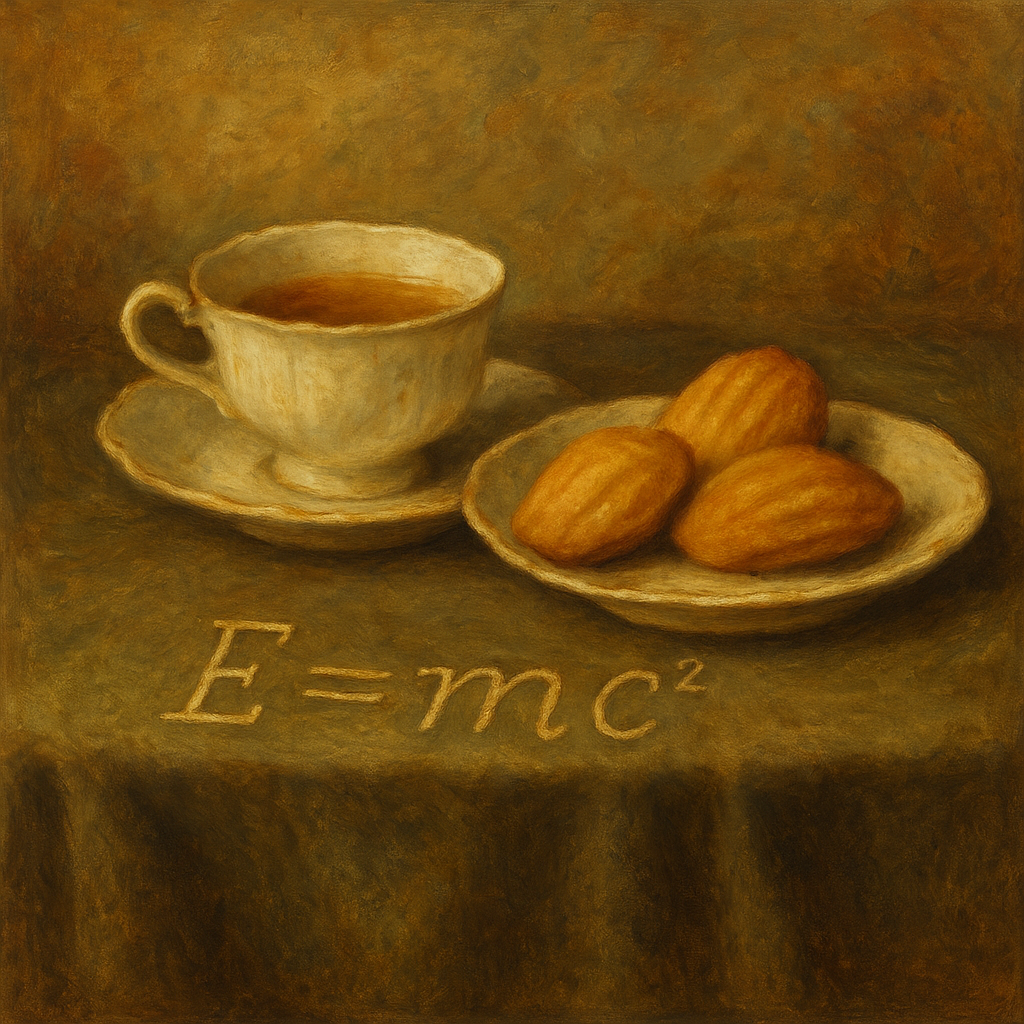
In À la recherche, where involuntary memory creates a narrative cosmos where past and present coexist, does Proust merge the times of Einstein and Bergson?

A philosophical approach to eros as an ontological Ereignis, tragic and revelatory of Being, resisting rationalist reductions.