
To Remember Leonardo Acosta
A memory of filiations reveals how an intellectual presence continues to shape readings, affections, and losses.

A memory of filiations reveals how an intellectual presence continues to shape readings, affections, and losses.

Old age, brushed by the vertigo of death, finds in literary memory a way of postponing the abyss.

Memory sustains an ethics of precariousness, where family, history, and mourning reveal their exposure.

Two former Cuban lovers reunite in New York, marked by exile, memory, and death.

A tribute to José Luis García, a solitary writer whose literature transforms memory, exile, and authority into something enduring.
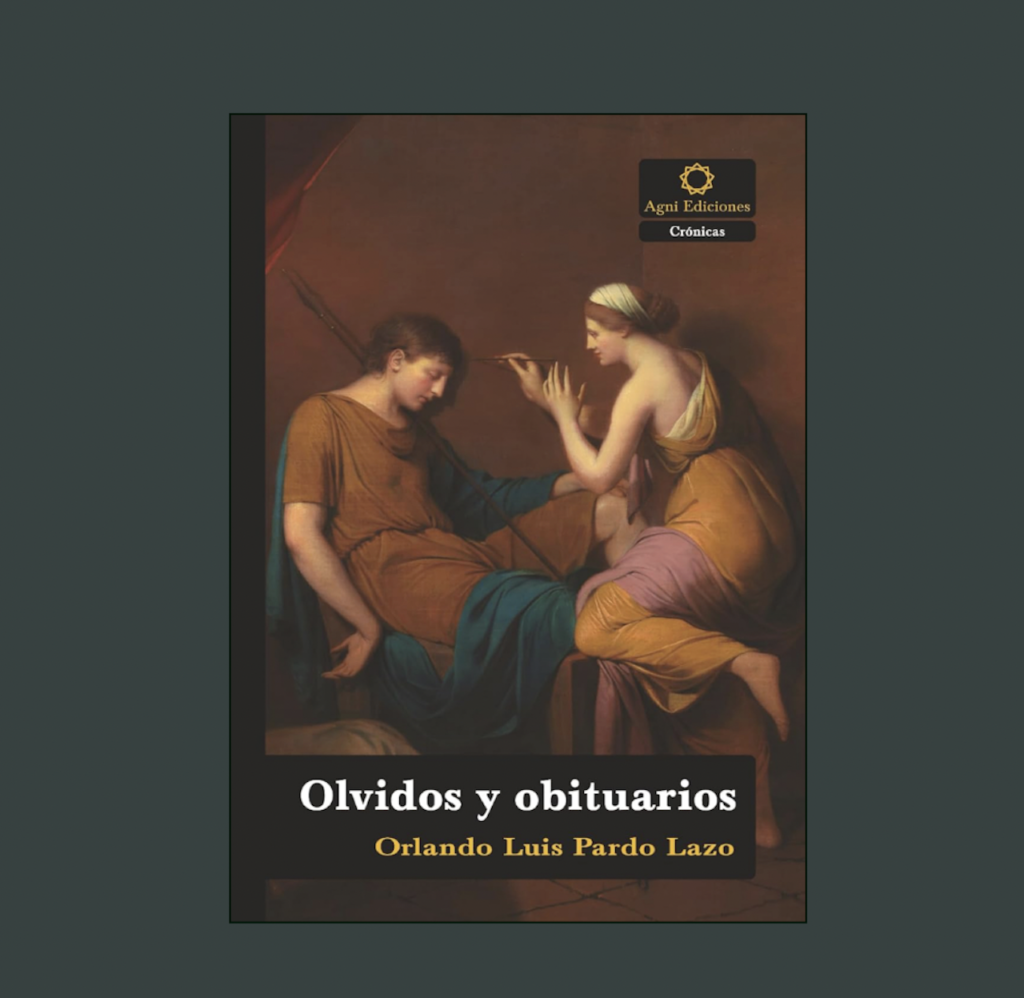
Chronicles and obituaries that explore exile, memory, and criticism of the Castro regime, bringing forgotten figures and Cuban ideological tensions back into the spotlight.
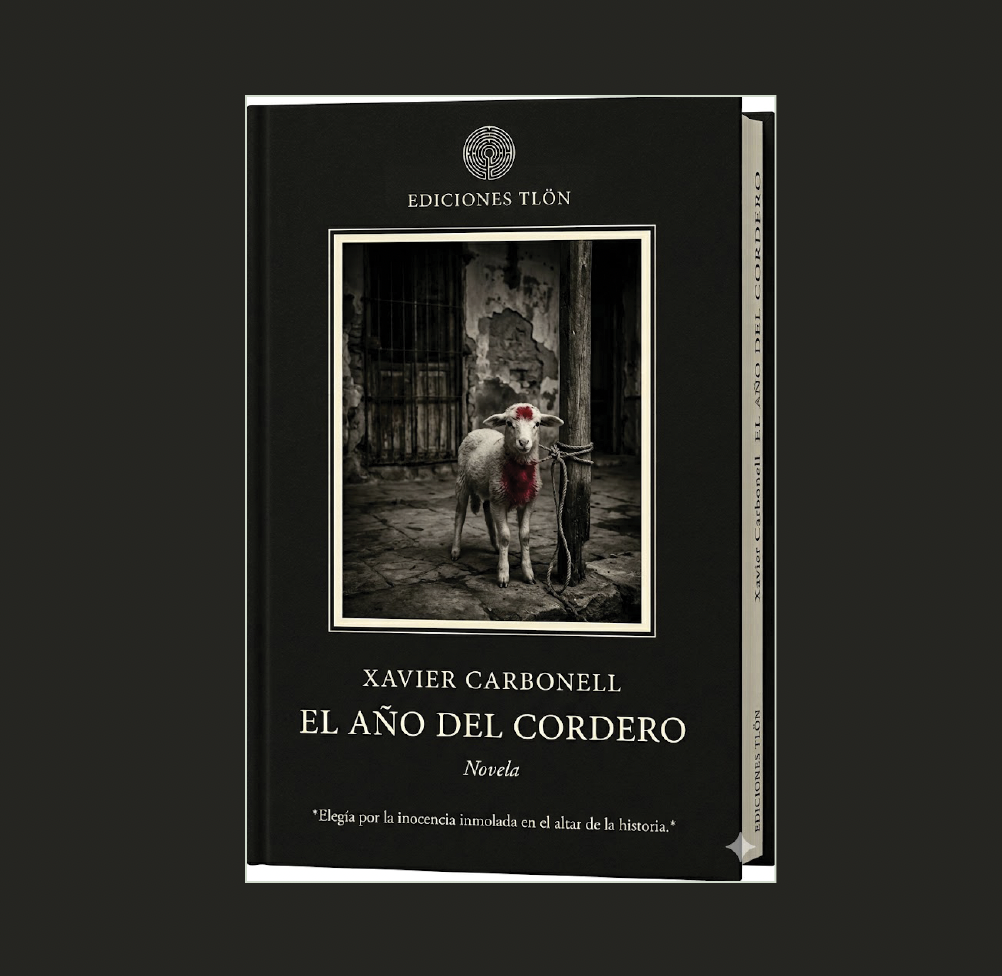
An author discovers a nonexistent novel that he himself wrote.

Maurizio Medo’s poetic writing as a loving transition between memory, languages, migration, and a reverberating present.

‘Malincuor’ confirms a fragmentary poetics where memory, imagination, and language pervert reality to make it more true.
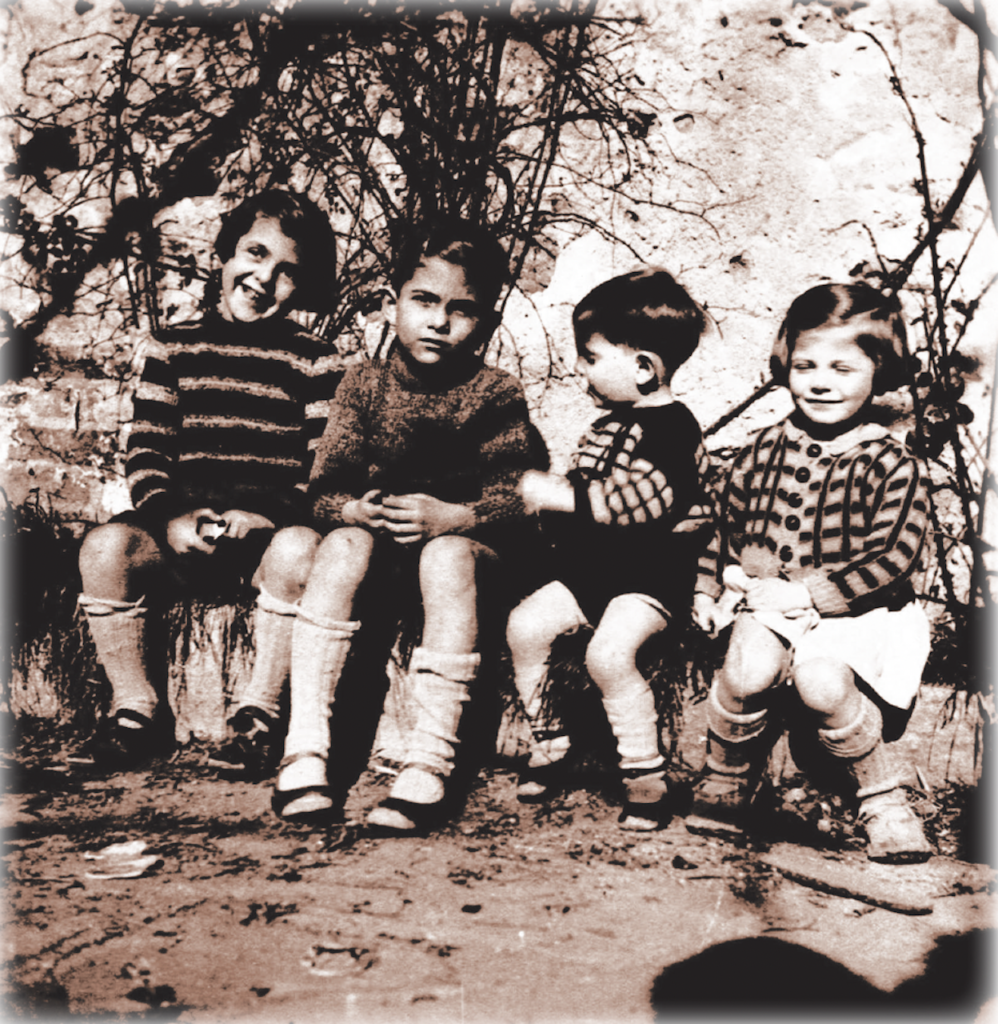
Medo’s ‘Malincuor’ is a dense and playful book that blends family post-memory with European history in a metaphorical train journey, using humour, irony and kaleidoscopic language to create an active and lively read.