
The Sacred and the Profane
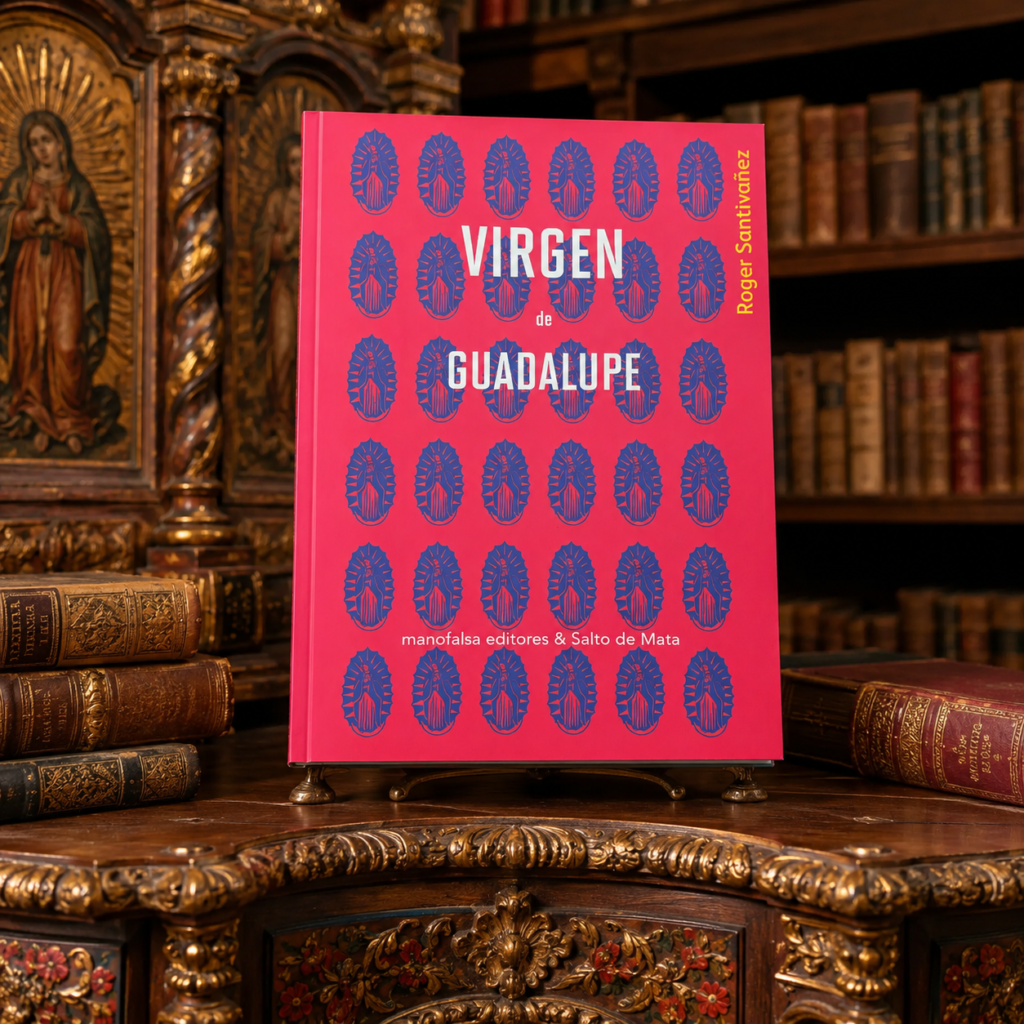
Notes on ‘Virgen de Guadalupe’, by Roger Santiváñez.
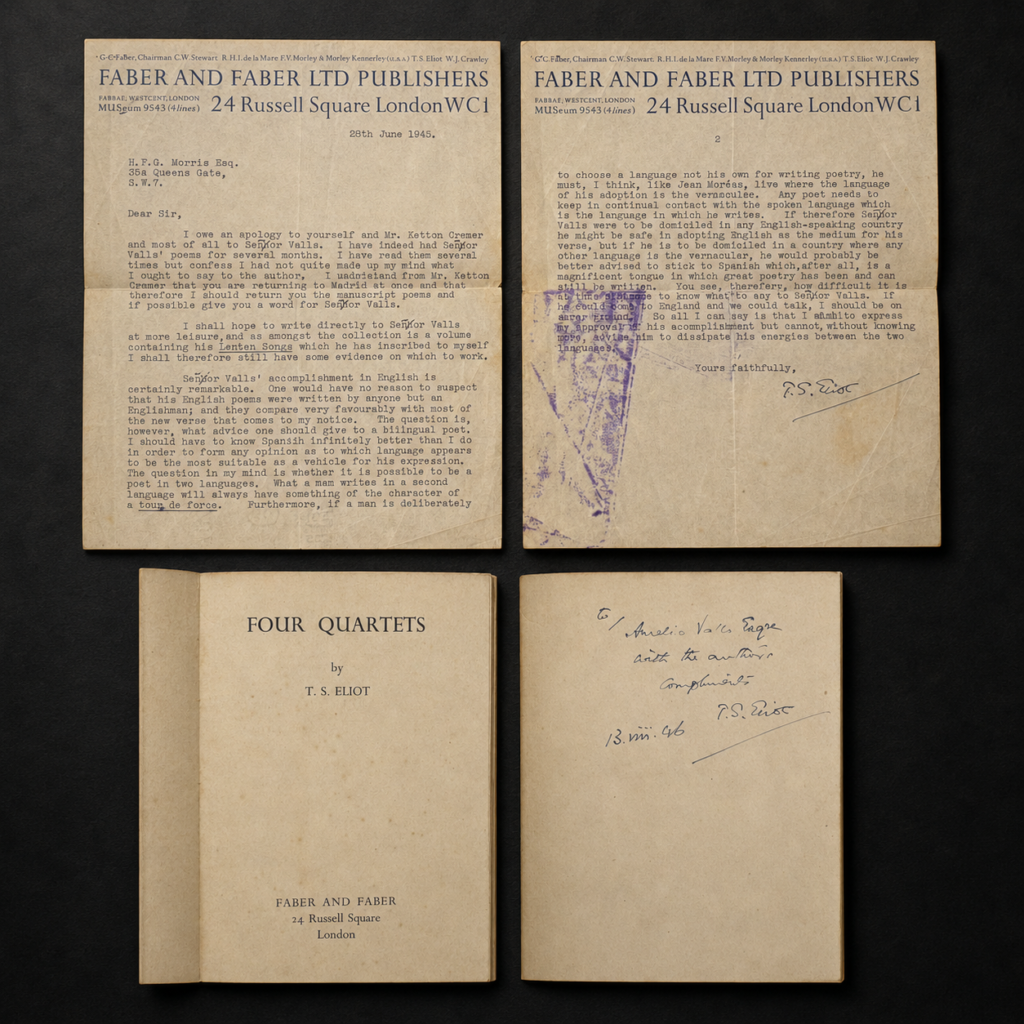
In what language does a poet truly write when his voice belongs to more than one?

The link between poetry and madness; boundaries between art, pathology, and the social construction of genius.

Maurizio Medo’s poetic writing as a loving transition between memory, languages, migration, and a reverberating present.

Reclaiming Octavio Paz’s critical relevance in today’s world, analyzing his views on translation and poetry.
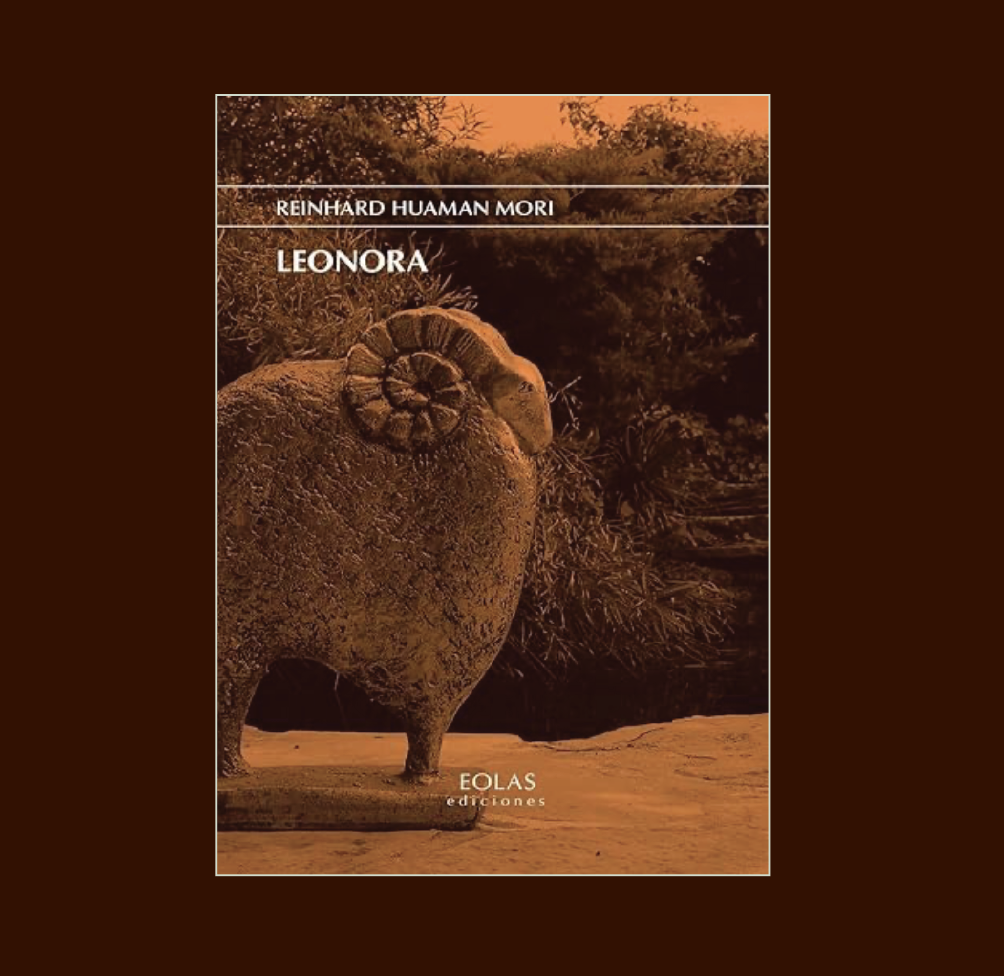
Originality, romantic nihilism, and poetry as salvation in the face of family, a hostile world, and contemporary existential precariousness.

‘Malincuor’ confirms a fragmentary poetics where memory, imagination, and language pervert reality to make it more true.
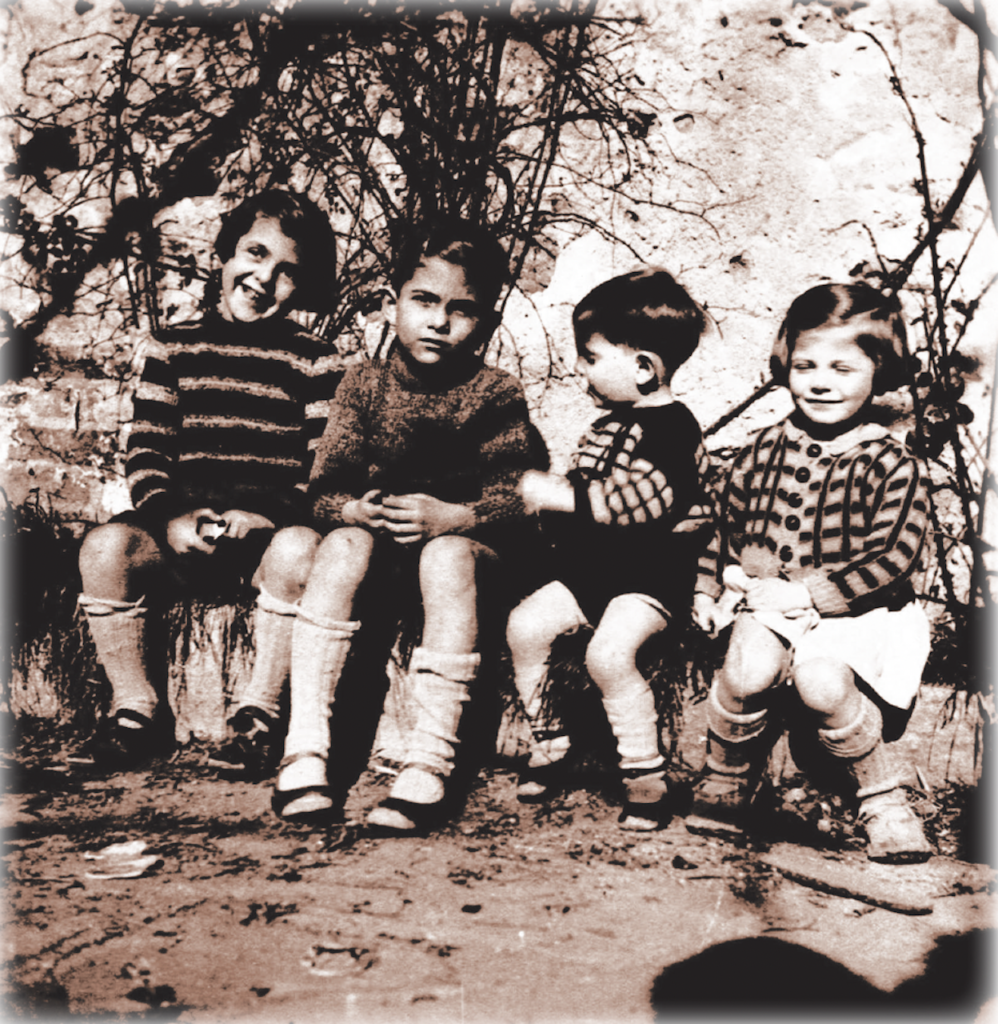
Medo’s ‘Malincuor’ is a dense and playful book that blends family post-memory with European history in a metaphorical train journey, using humour, irony and kaleidoscopic language to create an active and lively read.

Foreword to ‘Aquí en esta primavera (Antología de juventud)’ by Dylan Thomas (Casa Vacía Publishing House, 2025).

A mentor dissuades an aspiring poet from writing, extolling Lorca and reading with AI as a superior alternative to creative vanity.