
Portrait of Baudelaire
A tragic and visionary dandy, Baudelaire transformed the misery and splendor of Paris into poetry where the abyss becomes beauty.
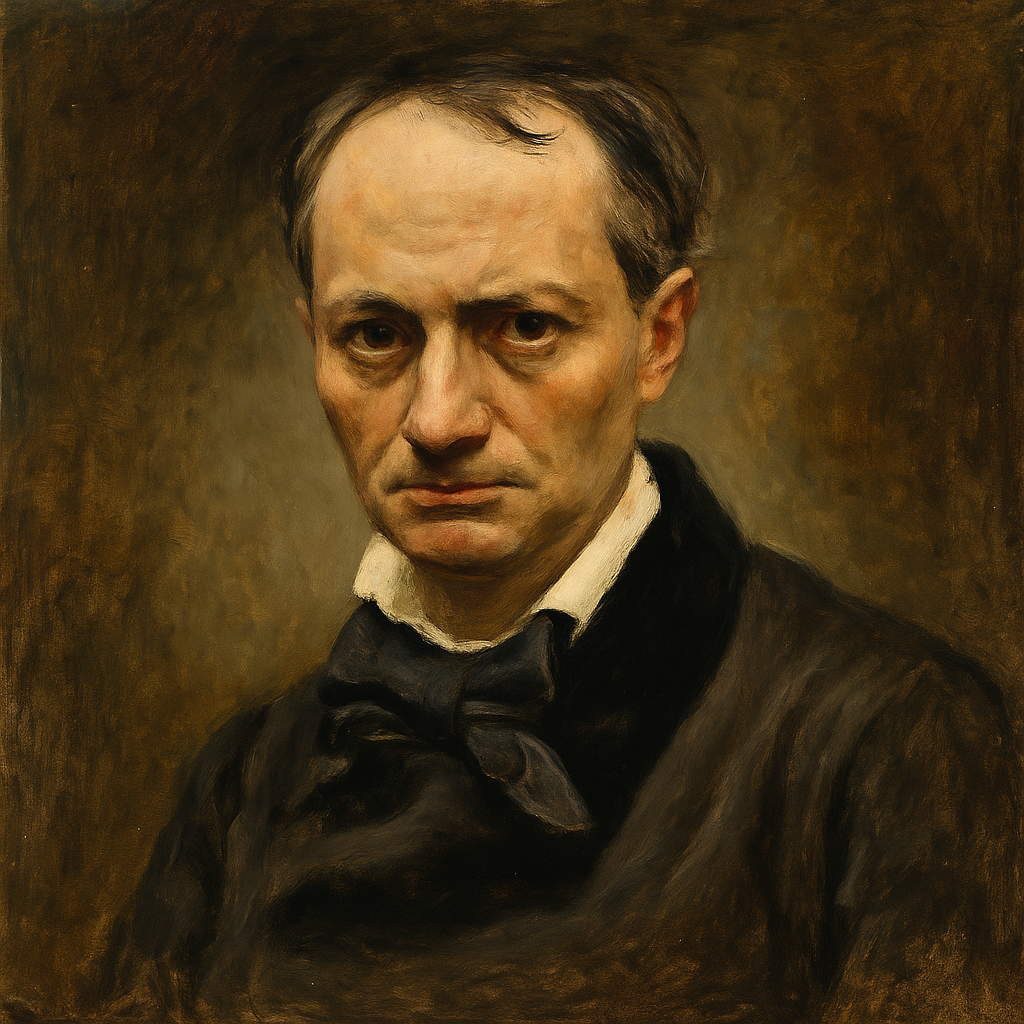
A tragic and visionary dandy, Baudelaire transformed the misery and splendor of Paris into poetry where the abyss becomes beauty.
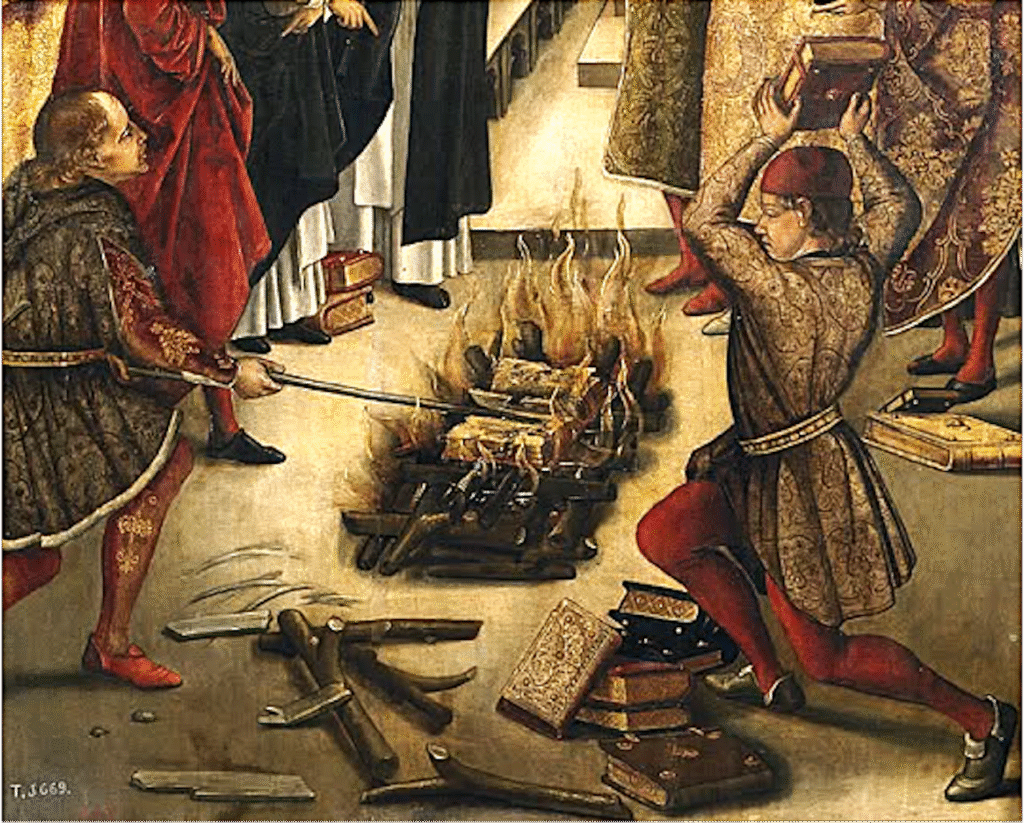
Poetry as a defense against academic arrogance, by virtue of a future of aesthetic reason.
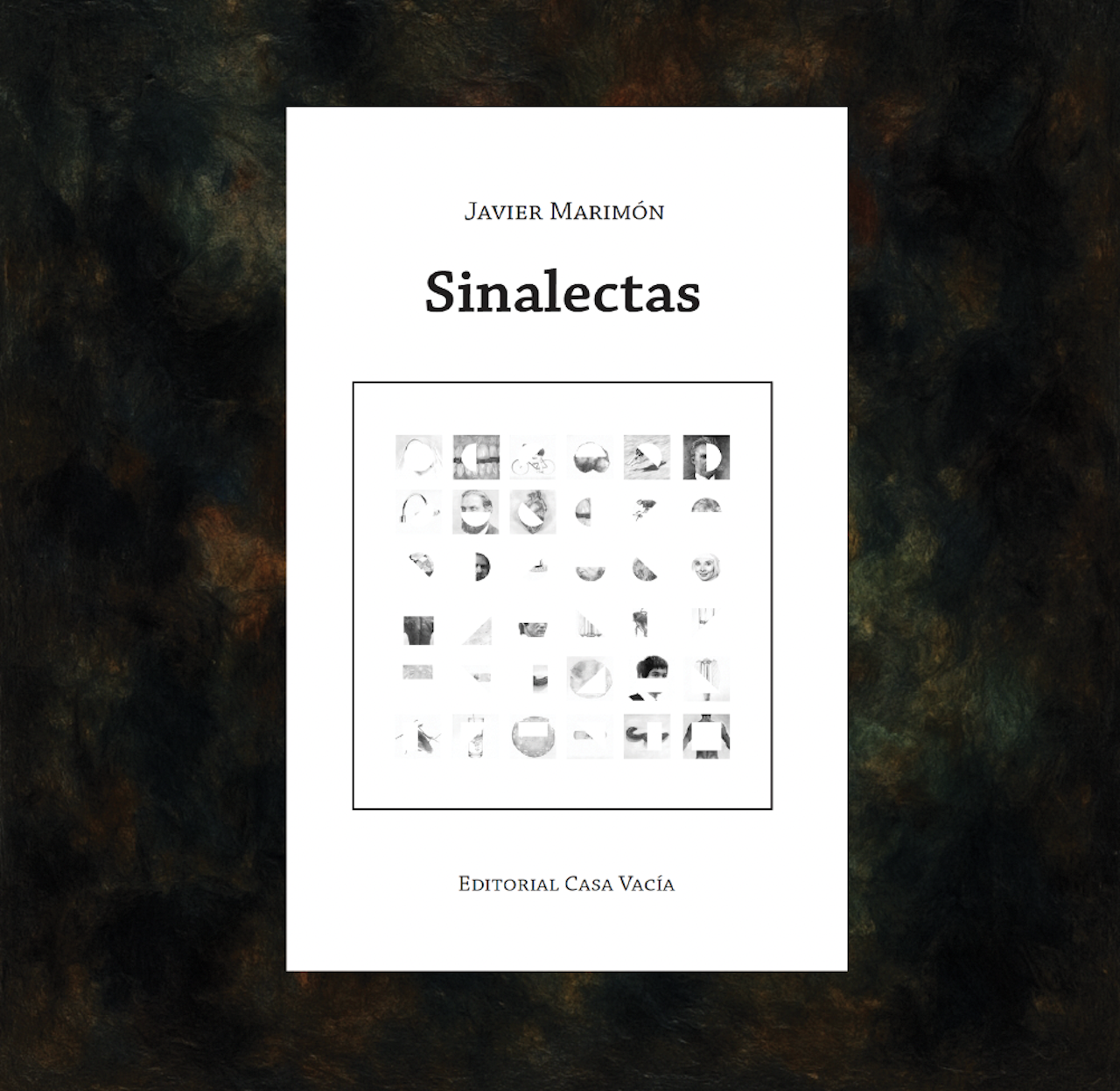
A poetic laboratory where word and image confront and balance each other to distill perception, eliminating ornamentation until only the tension between the visible and its void remains.
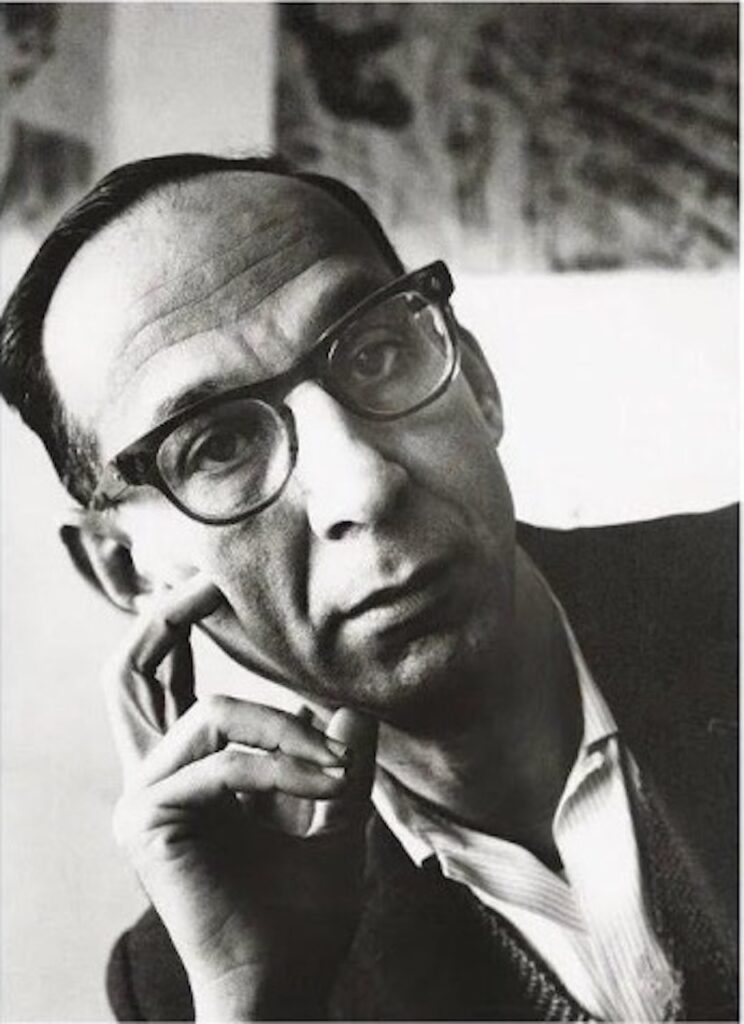
Kitsch in Virgilio Piñera’s poetry as a parodic and subversive tool against literary sentimentality, in contrast to its unintentional presence in Borges and Lorca.

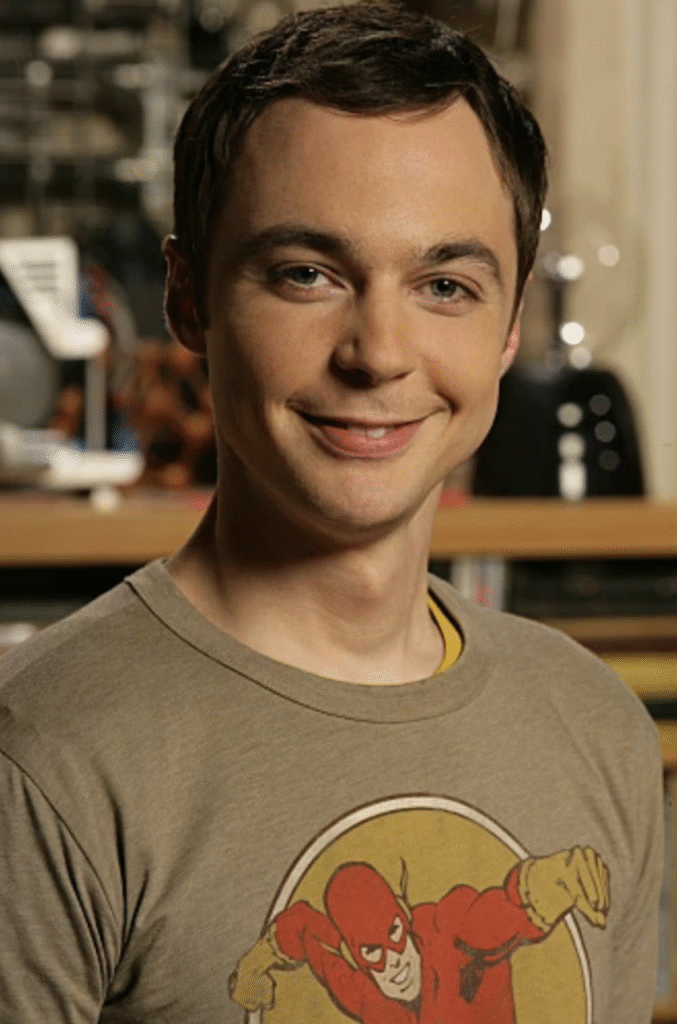
Youth language and poetry, like translation, challenge and reinvent language to create new meanings.

An exploration of memory, home, and fleeting time, preserving experiences as a gesture of love.

Rilke conceives of the dead as a silent force that fertilizes life and anticipates resurrection from the roots.

A book by Luis Felipe Rojas that intertwines memory, resistance, and literature, from his youth in Cuba to his exile, marked by scars and a passion for books.

Contemporary Hispanic American poetry breaks free from the traditional canon by becoming an intertextual, fragmentary, and ethical act that transcends genres and media to explore new forms of meaning, identity, and language from the periphery and the unstable.