
Books win (very rarely)
I always thought Rushdie would not survive, but the one who issued the fatwa ended up dying first.

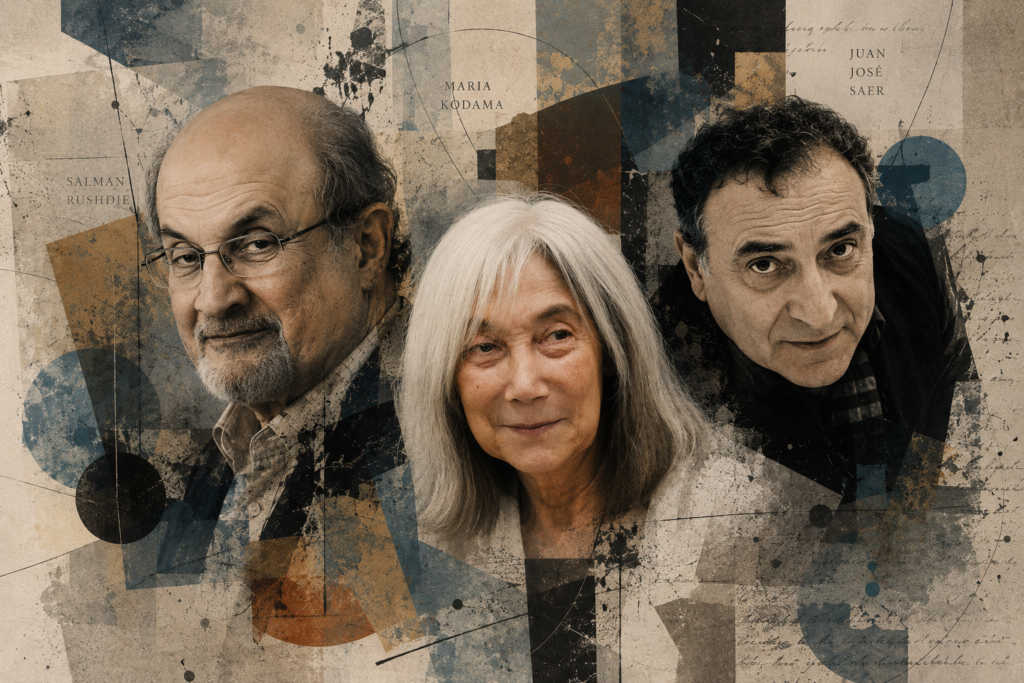
I always thought Rushdie would not survive, but the one who issued the fatwa ended up dying first.
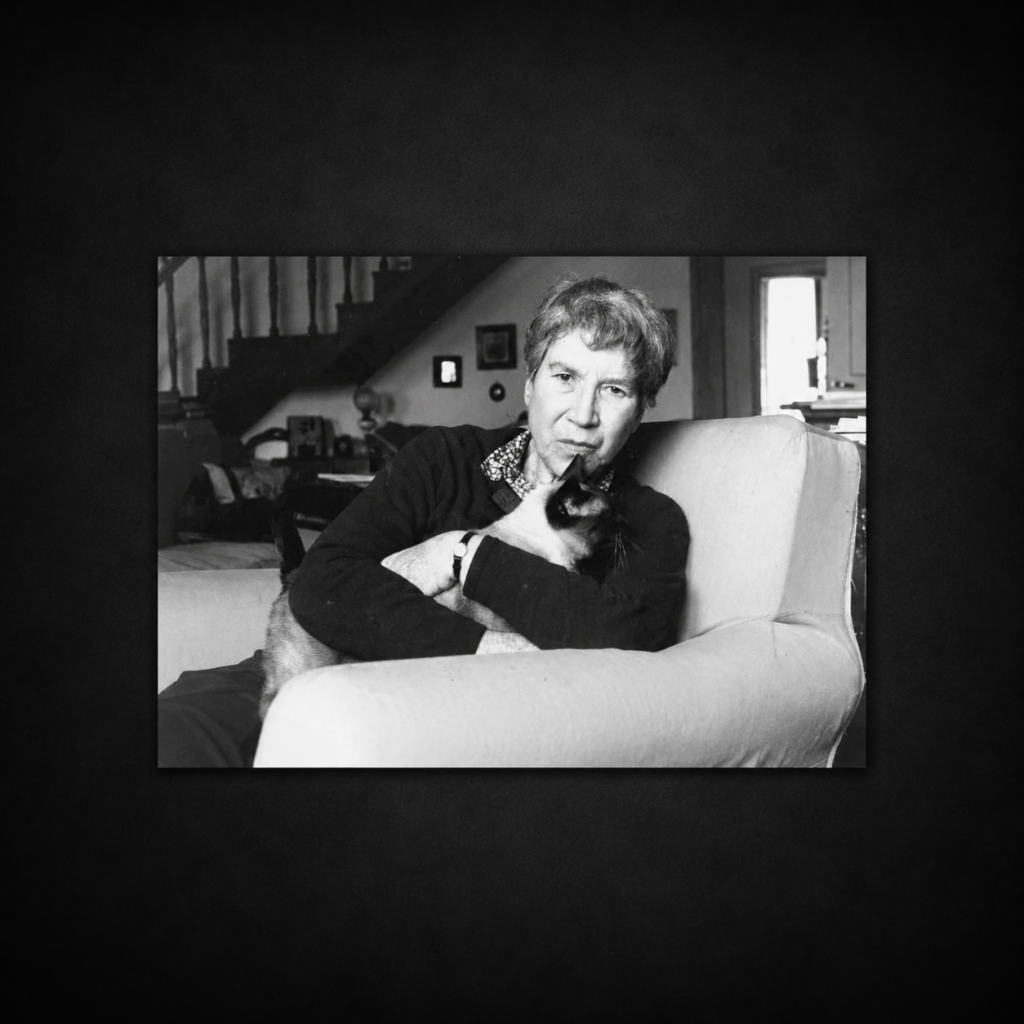
Memory sustains an ethics of precariousness, where family, history, and mourning reveal their exposure.
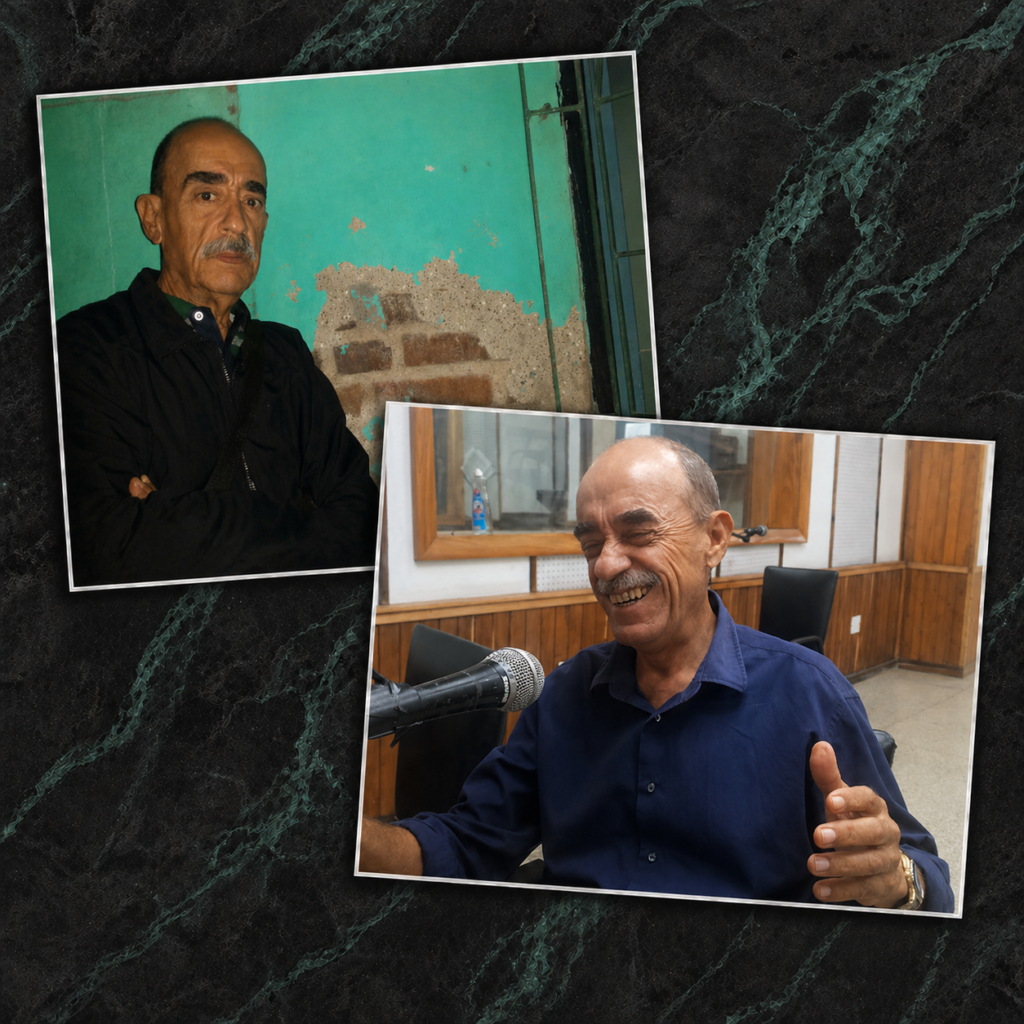
A tribute to José Luis García, a solitary writer whose literature transforms memory, exile, and authority into something enduring.

Readings: Woolf explores death and emerging consciousness; Caraco exudes filial nihilism; Joyce portrays the moral and everyday paralysis of Dublin.
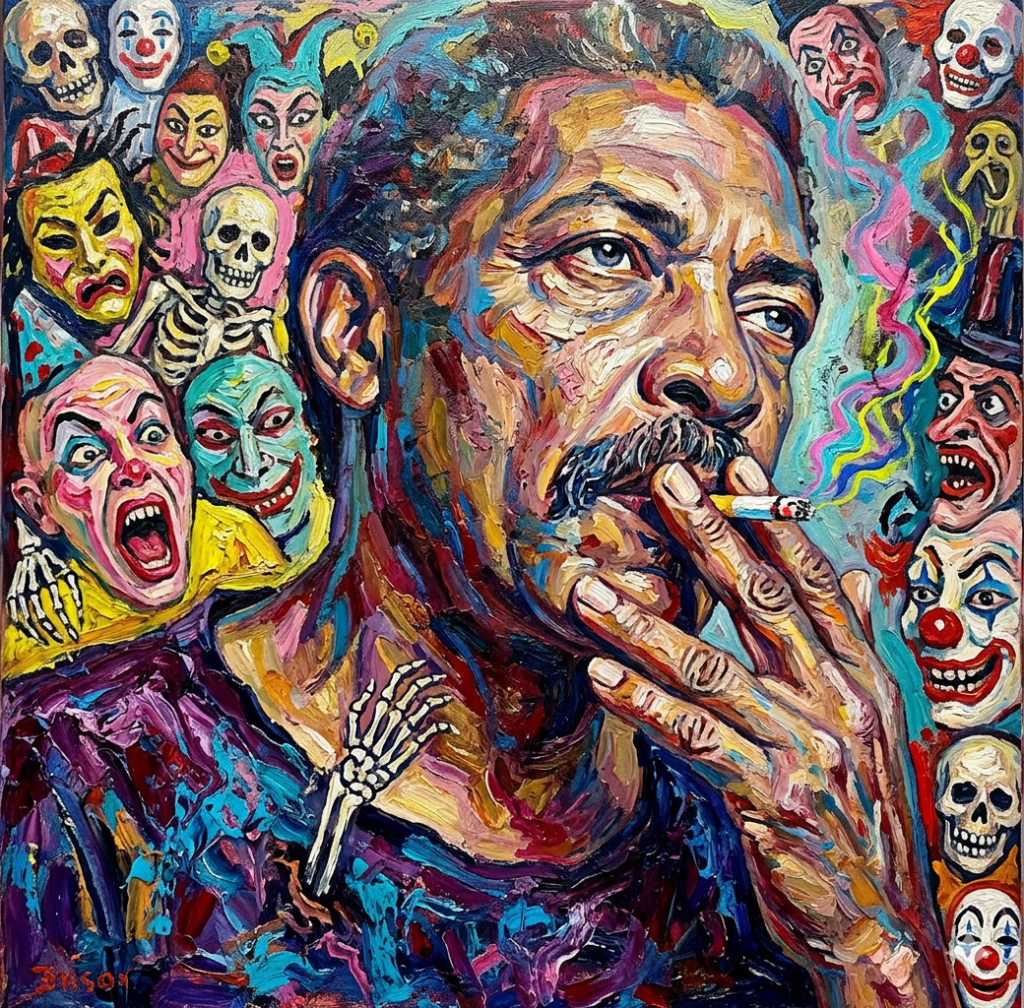
In the annals of Cuban poetry, the work of Ángel Escobar is that point in the void that you feel narrowing, that flows.

Trapiello’s diary writing elevated to a great novel in progress, masterfully blending truth, fiction, literary criticism, and everyday life with narrative skill.

Salinger chose silence and squalor as an aesthetic and moral response in the aftermath of the war and the end of innocence.

Personal reflections on reading in Mad Men, the iconography of writers with libraries, and a friend’s legendary hidden library in the nineties.

About traveling with books, especially when they are like fragments of a writer’s life, chapters of a biography whose meaning matters only to oneself.
A melancholic song to the absence of Spanish books in the United States, secondhand bookstores, and the loss of words in bilingual collisions.