
Three Escapes
Three literary works that explore misery, memory, and grief with intense, poetic, and reflective narrative styles.

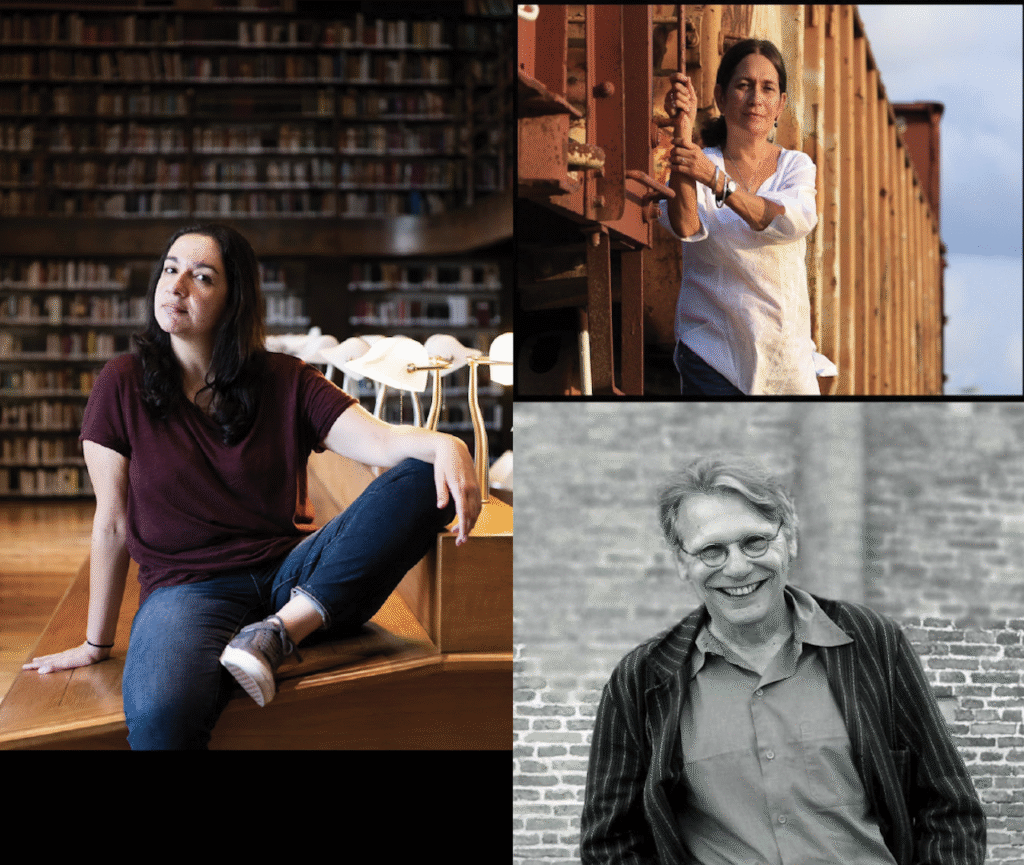
Three literary works that explore misery, memory, and grief with intense, poetic, and reflective narrative styles.

A book about a library fire opens this reflection on the transformation and challenges of public libraries.

A vindication of the adult graphic novel, from Seth to Bechdel, criticizing didacticism and celebrating visual narrative eloquence.

A book by Luis Felipe Rojas that intertwines memory, resistance, and literature, from his youth in Cuba to his exile, marked by scars and a passion for books.

The booktuber’s teaching style reveals the tension between superficial promotion of reading and the depth of complex novels in the digital age.

The library is a refuge for unfulfilled desires, renewed readings, and losses due to exile, intertwining literary ambition, writerly vanity, and cultural fragility.

The library, that labyrinth of knowledge and aesthetic pleasure, reflects the insatiable curiosity and chaotic order of a life devoted to reading.
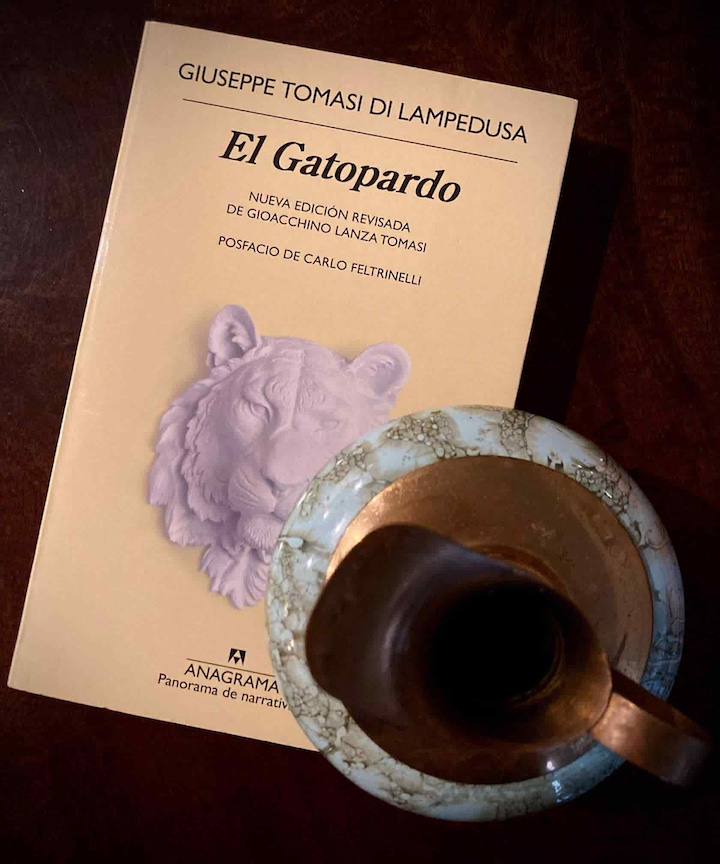
Despite initial rejection, this is a novel that endures as a masterful elegy to a lost world, whose narrative force continues to withstand the test of time and misreadings.

‘Boys in Zinc’ by Svetlana Alexievich: a book that explores the trauma of the war in Afghanistan through testimonies and the idea that truth cannot be achieved without going through pain.

A variation on the “Proust Questionnaire.” For those who believe that reading is a sacred act, an incurable disease, or an elegant substitute for social skills.