
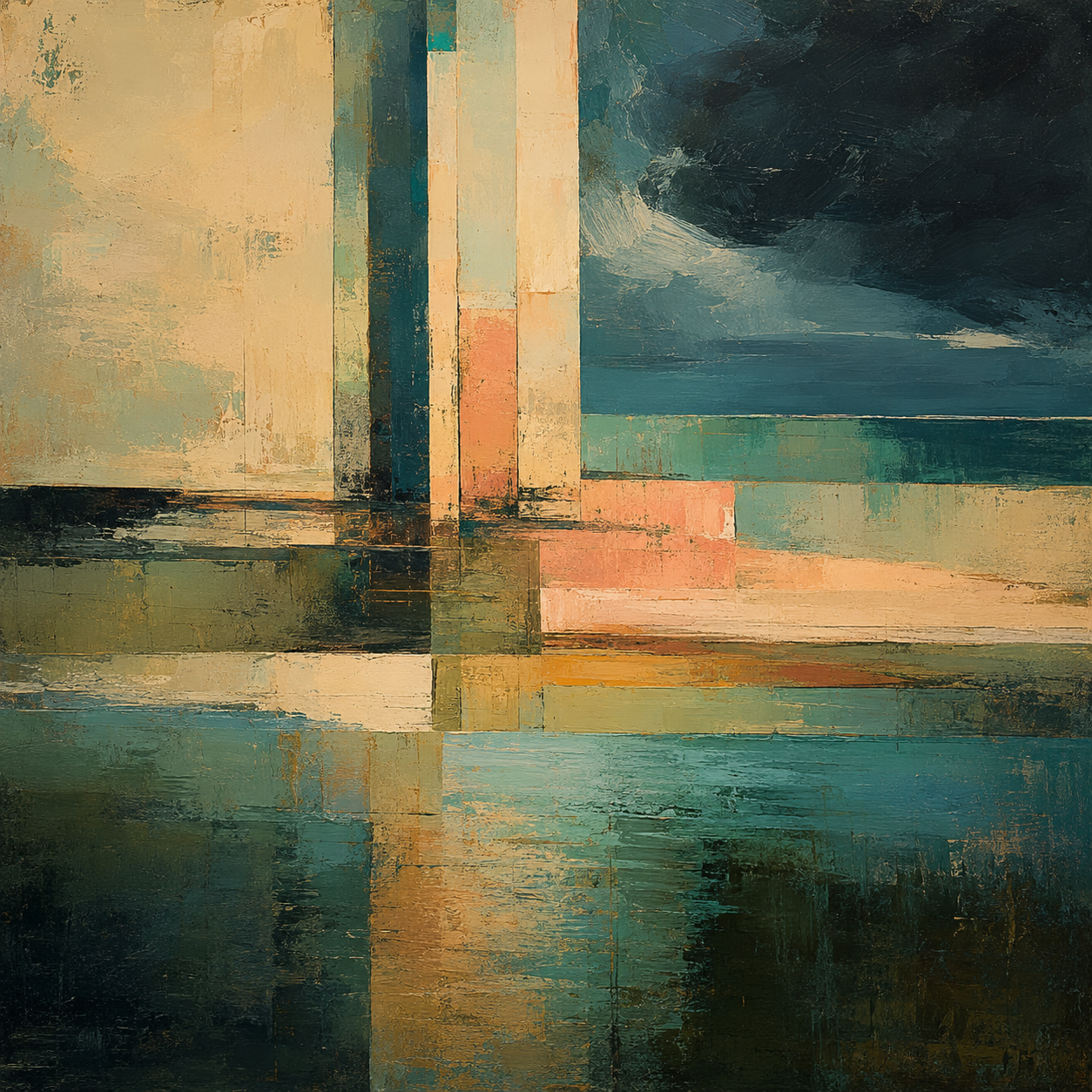
A city that does not know what it is and is forced to exist. It is told: you are swamp, but you are also ocean, and when the light gives its final gasps, you can be hope.
A city cannot be given orders, the poet shouts from the hot sands of South Beach while drinking a Spritz, protected by the superficiality of his metaphors. There is no way to say water world without falling asleep on the sand; there is no way to accumulate silences amid so much noise.
A child raises his hand to answer a question, and in the time that passes between the physical movement and the mental one, countless high-rises overlooking both ends of the city have sprung up, as though trying to fuse them into a single mass of modernity.
An alligator opens its mouth to swallow its prey, and in the instant between opening and digestion, millions of people, from everywhere, carrying every kind of luggage, descend upon the city. As they step off the imaginary trains, they open their arms and are greeted by an army of hungry mosquitoes.
—How do mosquitoes reproduce? —the teacher asks pedagogically, as the salty buzzing clouds his vision and he collapses into his chair.
The students then speak of cars transformed into flying boats that sail across the hot skies of the swamp.
Those who come to conquer are conquered by an elemental magic: an alchemy of limestone and waters that move so slowly they seem never to move at all, as though everything remained the same while changing radically.
Then the hurricane winds arrive, like last-minute guests, bearing an urgent telegram: nothing here must remain.
The city nods and writes a speech about permanence. A speech riddled with grandiloquent adverbs and useless adjectives (they all are, says a dark voice that has just choked on a Cuban tamale).
A city does not know what it is until it is told.


