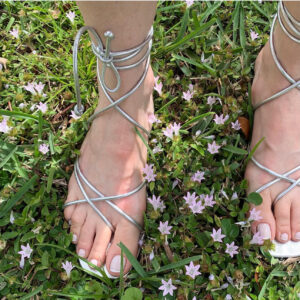
Sigmund Freud says: “Flowers are a rest for the eyes. They have no emotions or conflict.”
I had mistakenly thought that flowers were the noise of the garden, visual insolence; I preferred the subtleties and greenness of vascular plants reproducing by spores. What a mistake.
There will be flowers to be thankful for!
A dazzling book: The Intelligence of Flowers, by Maurice Maeterlinck; to paraphrase Maeterlinck, the apparent calm, the immobility of the plant world is not what it seems; the garden is insubordination, perseverance, and tenacity.
The greenhouse is often architecturally beautiful: tamed light passing through the glass, blown glass, structural ironwork, capitals, 100% humidity, a tropical jungle on a smaller scale. A model: Jardin Des Serres d’Auteuil, Paris; the cutting of the stone on the path, the geometric flowerbeds fitting together, the nobility of the planting and the pots as a means of containment…
Nature morte, the baroque still lifes of Flanders; the natural sciences of the 18th and 19th centuries. Because life experience takes a lifetime (or eternity); natural history is a path of wonder.
The poem “A Sepal, a Petal, a Thorn” by Emily Dickinson.
Wild happiness: going out to check the mango tree after the drizzle, the drops falling from the leaves, wetting my face, hands, and feet with l’eau du ciel.
The window at the head of the bed opens onto the garden; reading and writing with that light behind me.
The pergola, modest as it may be, organic, vegetal, flowery, and the sound of water from a fountain.
A few days ago, I was walking among the graves at Memorial Park Cemetery in Kendall; I was carrying brightly colored plastic flowers for my mother (to her liking); nowadays, people are buried in a disgraceful manner in plastic boxes (I will omit the list of funeral indignities here); the garden and death are irrational and immeasurable; the real cemetery is a garden.
Still life.
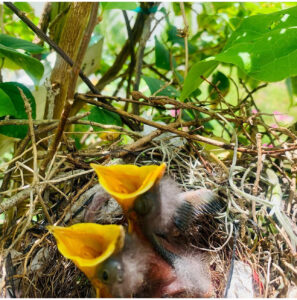
The slowness and inconspicuousness with which plants grow should be a model for life.
The gentle, intricate, serene greenery, like Umberto Pasti’s courtyard in Tangier.
The Comtesse de Rocquigny rose, my favorite (I grow a rose bush; what an impossible dream that would be). To paraphrase Raquel Revuelta in the film Lucía,
“Mother, I want a Comtesse de Rocquigny rose!
Oaxaca: biophilia and gardener’s rapture: agave arroqueño agave jabalí agave tepextate maguey cabuye estrellita verde pitayas chumberas nopales cactacelia garritas dos púas clover alfalfa lupine the botany of colors red cochineal velvety cactus cactaceae scientific names in Latin asthophytum myriostigma epiphyllum pereskia network of filaments branches.
An aside to the tree ferns of Oaxaca (I brought a twig inside a book—I know I shouldn’t have—; I placed it in one of the thin palms, among the orchids; it awakens when it rains.
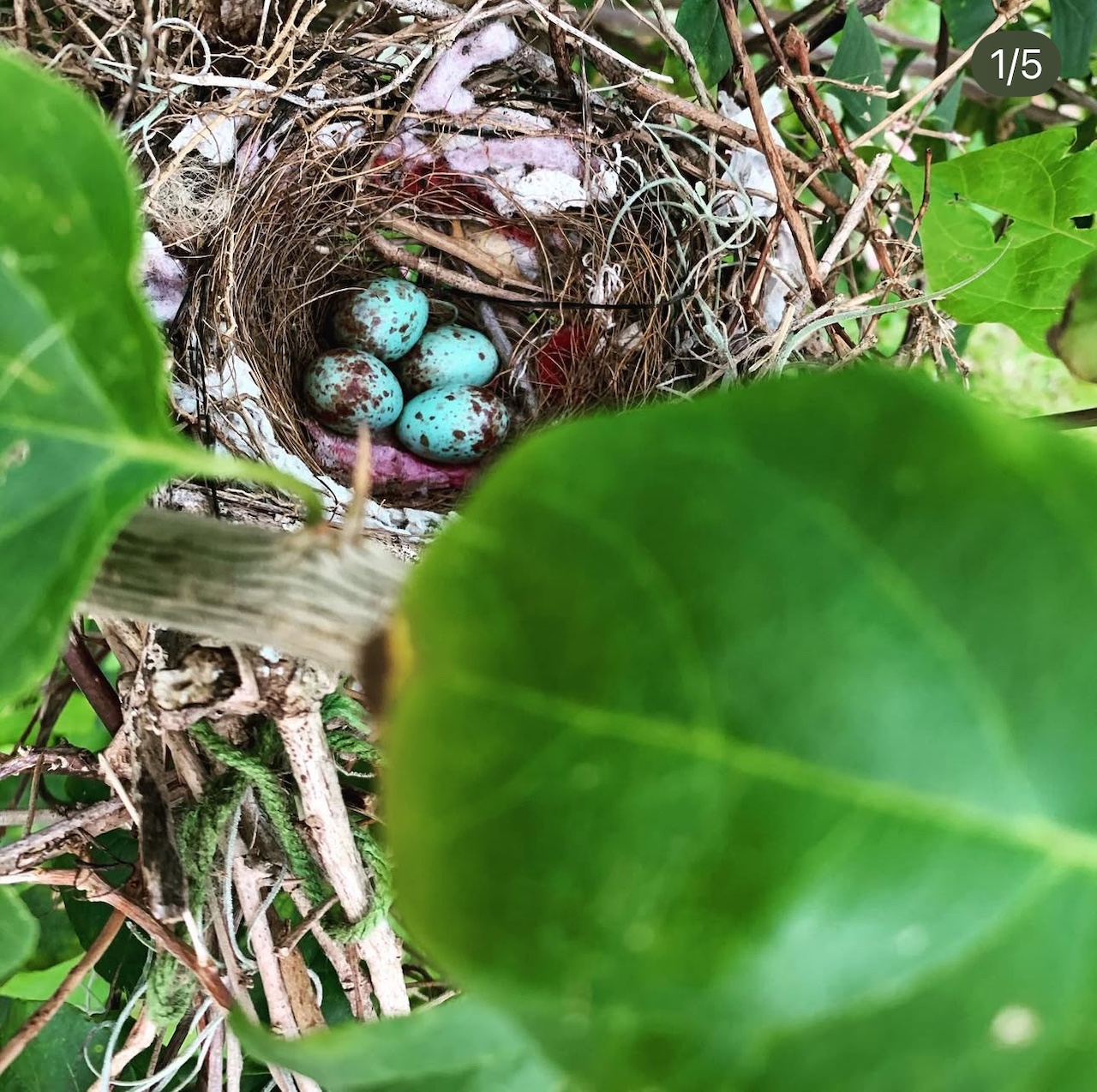
The intelligent bouquet, the masculine corsage—certain expressive flowers, certain thoughtful floral arrangements are suspended emotions, provisional responses.The abandoned nests in the garden, now dry, like a thread strung on a needle.
Robinson, the dog loved by the former owners of our house, buried in the garden.
The wild ivy.
I brought a water lily and submerged it in the fountain. It has bloomed three times.
The rose garden, the unisex toilet, the Azima tetracantha, and the Glorieta de los Tilos, in the Royal Botanical Garden of Madrid.
The swaying of the branches—sonorous greenery.