
Reading to Feel: Breath, Memory, and Joan Didion’s ‘Notes to John’
We read not to remember, but to feel: to remain suspended in that intimate proof that something—whether in the writer or the reader—is still breathing.

We read not to remember, but to feel: to remain suspended in that intimate proof that something—whether in the writer or the reader—is still breathing.

About traveling with books, especially when they are like fragments of a writer’s life, chapters of a biography whose meaning matters only to oneself.
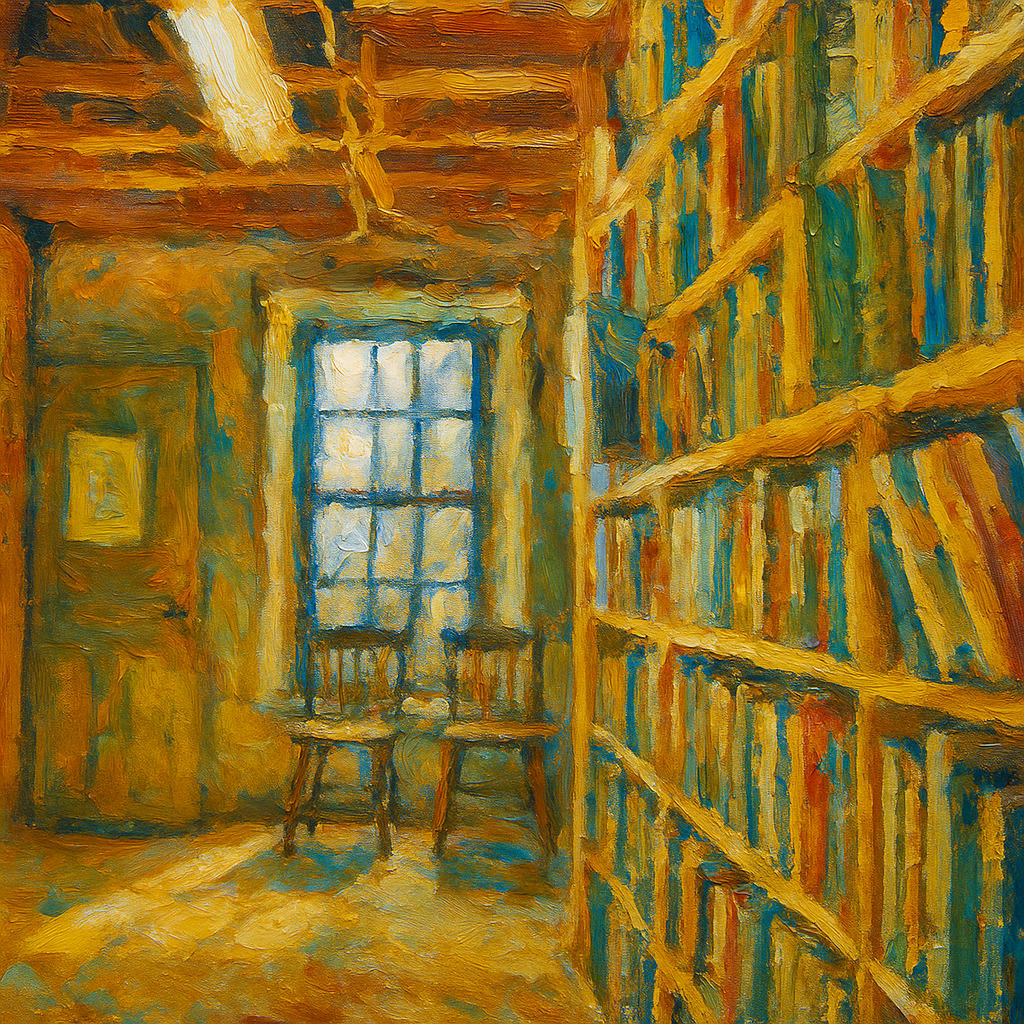
A melancholic song to the absence of Spanish books in the United States, secondhand bookstores, and the loss of words in bilingual collisions.
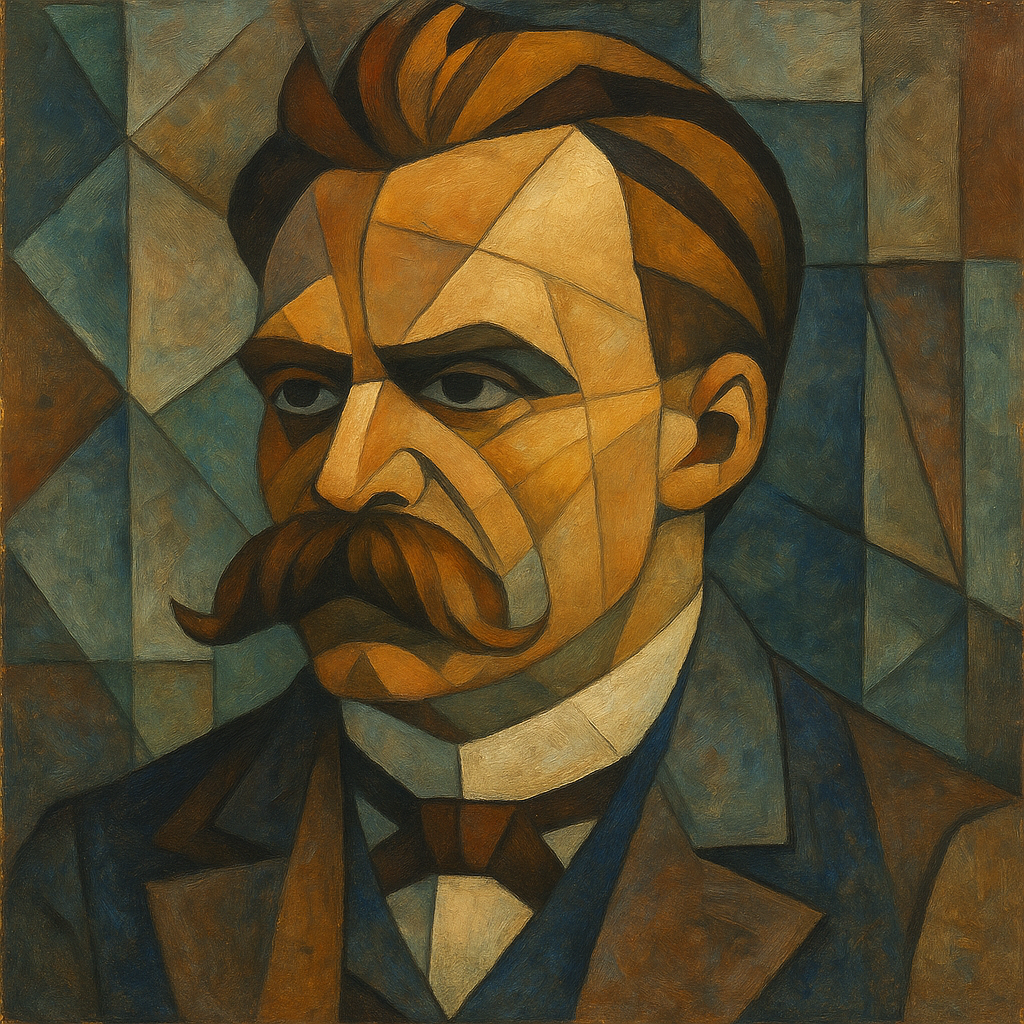
On the anniversary of Friedrich Nietzsche’s birth, this citarium evokes his idol-shattering hammer, the lion that gives birth to the child, and the eternal return.
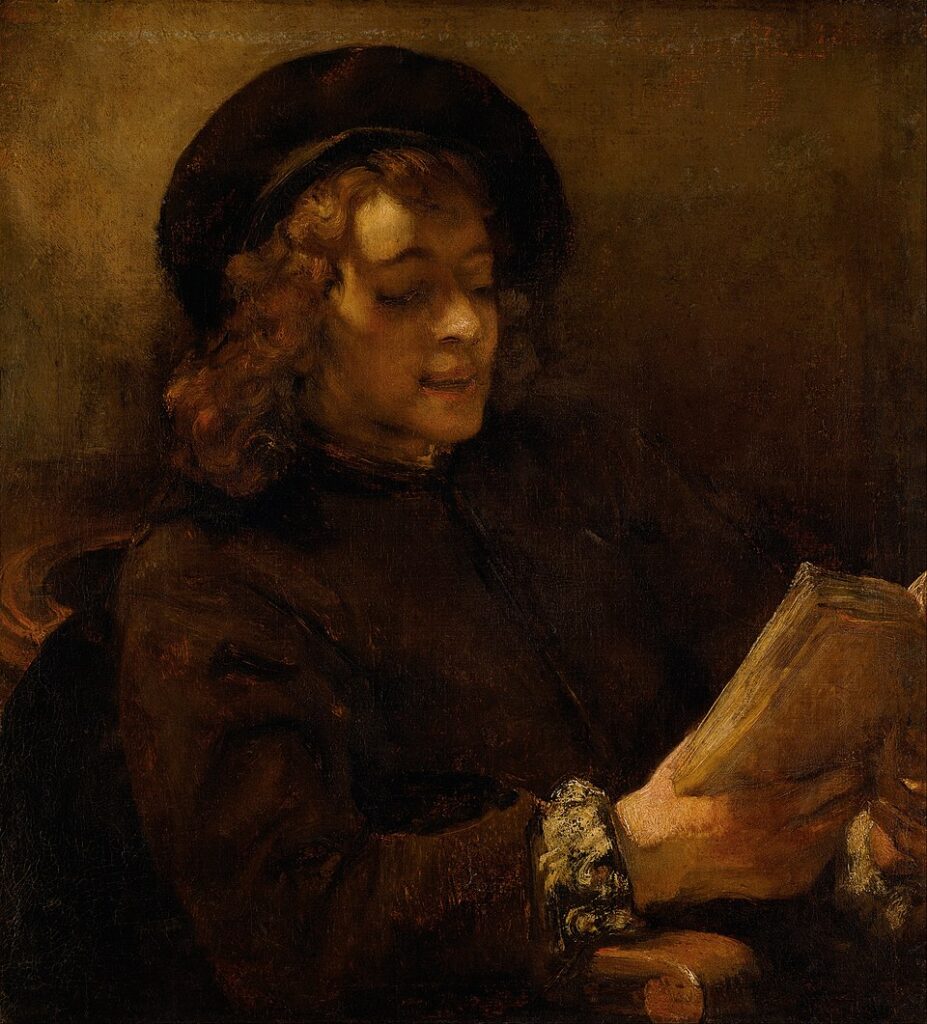
The impossible library: memories of a reading fever in Santiago, Chile.

The library is a refuge for unfulfilled desires, renewed readings, and losses due to exile, intertwining literary ambition, writerly vanity, and cultural fragility.

House for sale in Ohio decorated with 7,000 books as an ode to the appearance of reading.

Newcastle was born as an act of resistance and has become the personal project of its editor, Javier Castro Flórez, a passionate reader who seeks to share the happiness he finds in books.

The library, that labyrinth of knowledge and aesthetic pleasure, reflects the insatiable curiosity and chaotic order of a life devoted to reading.
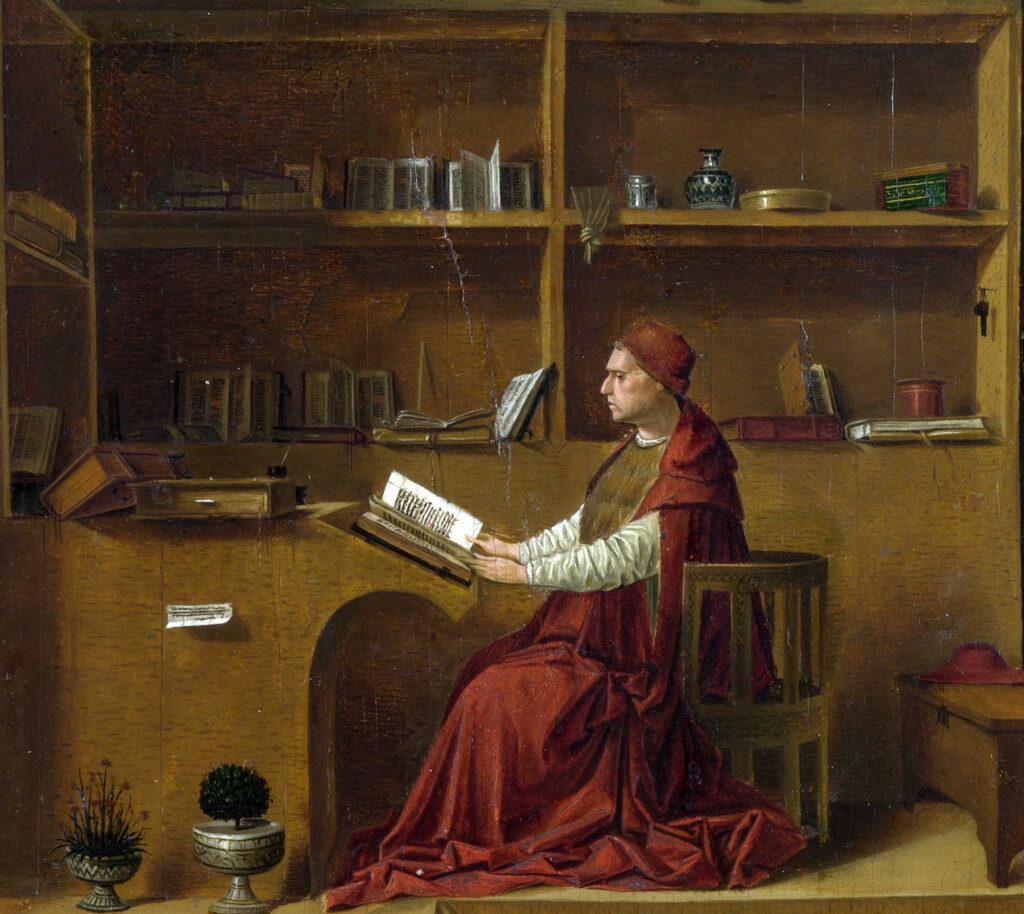
Book collecting is an intimate and symbolic practice which, by valuing each book as a unique object with its own material biography, turns the library into a sensory autobiography of the collector.