
Focillon, Forms, Lezama
The enduring influence of Focillon’s essay on the poetics and literary theory of José Lezama Lima, where artistic forms are living and timeless entities, with echoes in the Baroque and creative intuition.

The enduring influence of Focillon’s essay on the poetics and literary theory of José Lezama Lima, where artistic forms are living and timeless entities, with echoes in the Baroque and creative intuition.

A book about a library fire opens this reflection on the transformation and challenges of public libraries.

A short and radical novel about the last days of a teenager excluded from a hostile rural environment, with prose devoid of psychology, focused on the meticulous description of inevitable events.

Cuban and Cuban-Spanish literature has narrated the wars of independence with gaps and reinterpretations, while Uva de Aragón offers an intimate view that weaves together love, memory, and history.

Critical edition of ‘Los alivios de Casandra’ by Castillo Solórzano, a Baroque work featuring romantic novels, satirical comedy, and a lipogram without the letter “a,” written in a melancholic and virtuosic style.

An analysis of the formation of myths in the post-revolutionary Cuban imagination, through an examination of stereotypes in Kelly Martínez-Grandal’s stories about sensitivity, communism, and exile among Cubans and Russians
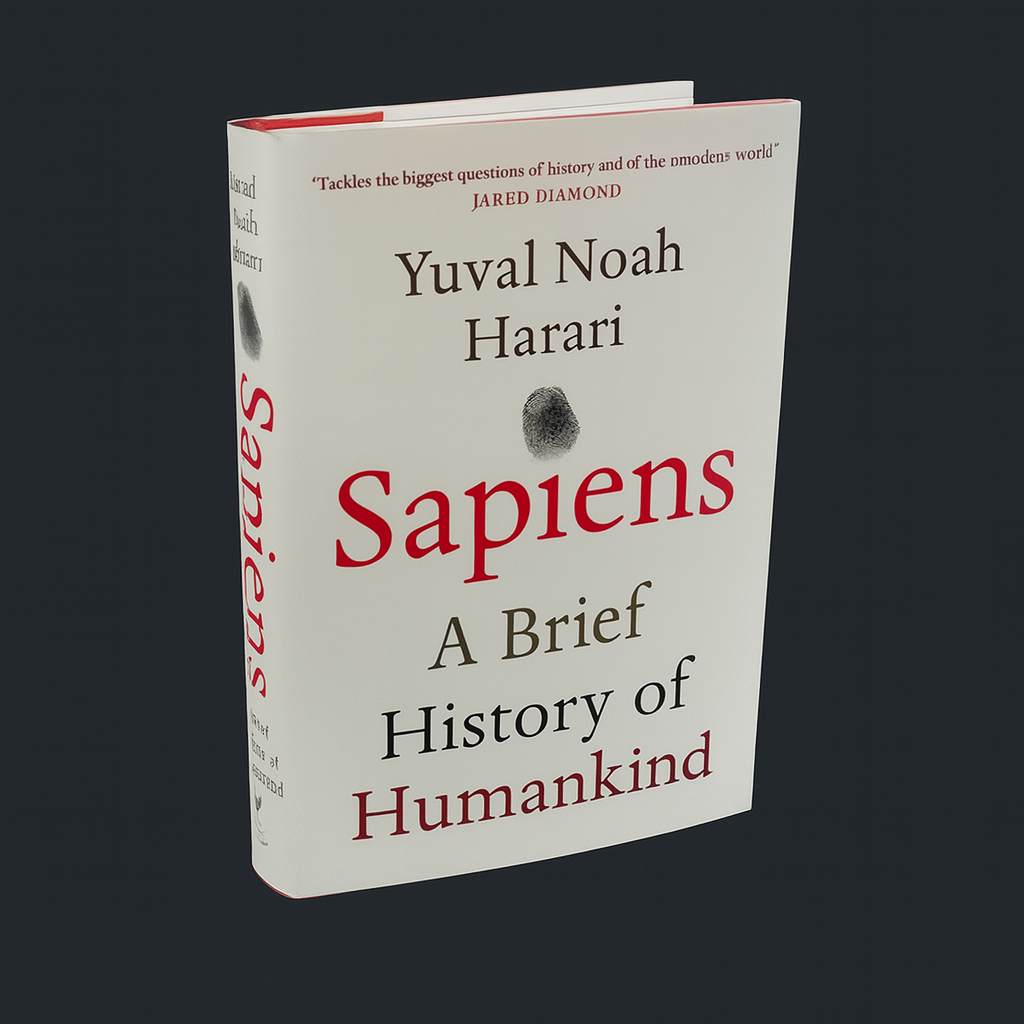
Prudish presentism, sensationalist simplifications, and biological reductionism in historical and evolutionary interpretations.

An exploration of memory, home, and fleeting time, preserving experiences as a gesture of love.

Wendy Guerra’s latest novel marks a departure from the ontological depth and political urgency of her earlier work, embracing a cinematic surface where memory, exile, and identity risk dissolving into aesthetic gesture.

A book by Luis Felipe Rojas that intertwines memory, resistance, and literature, from his youth in Cuba to his exile, marked by scars and a passion for books.