
Identity and Body Transplantation. A Reading of ‘The Hands of Orlac’
When the body becomes alien and science breaks down identity.

When the body becomes alien and science breaks down identity.

Resonances between Chassol’s music and Condé’s novel.

A major Baroque work that transforms folk tales into a stylistic laboratory of formal exuberance, narrative impurity, and a fusion of the grotesque and the sublime.

The ink hummingbird as a central metaphor for writing, creative flight, and mythological connections in Federico de la Vega’s work ‘Noche cerrada’.

Marie-Louise Scherer’s ‘The Beast of Paris and Other Stories’ blends true crime with other cultural themes, all told in a defiant and lyrical prose style.

A book that diagnoses a late modern society where the illusion of freedom and excessive positivity generate self-exploitation, depression, and a loss of contemplative capacity, without offering any refreshing alternatives.
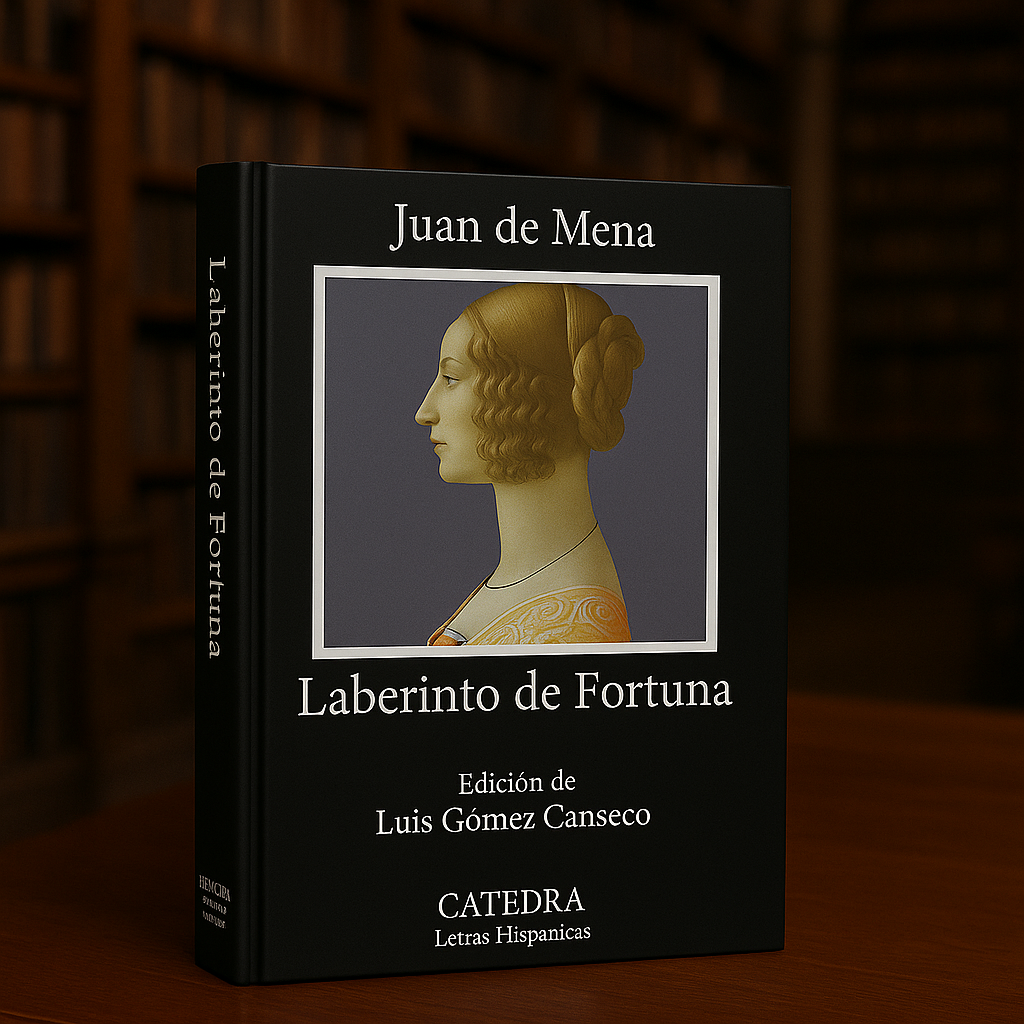
The poem represents one of the most systematic attempts in pre-Renaissance Castilian literature to construct a cultured poetic language, of Latin descent, suitable for allegorical and moralizing expression.
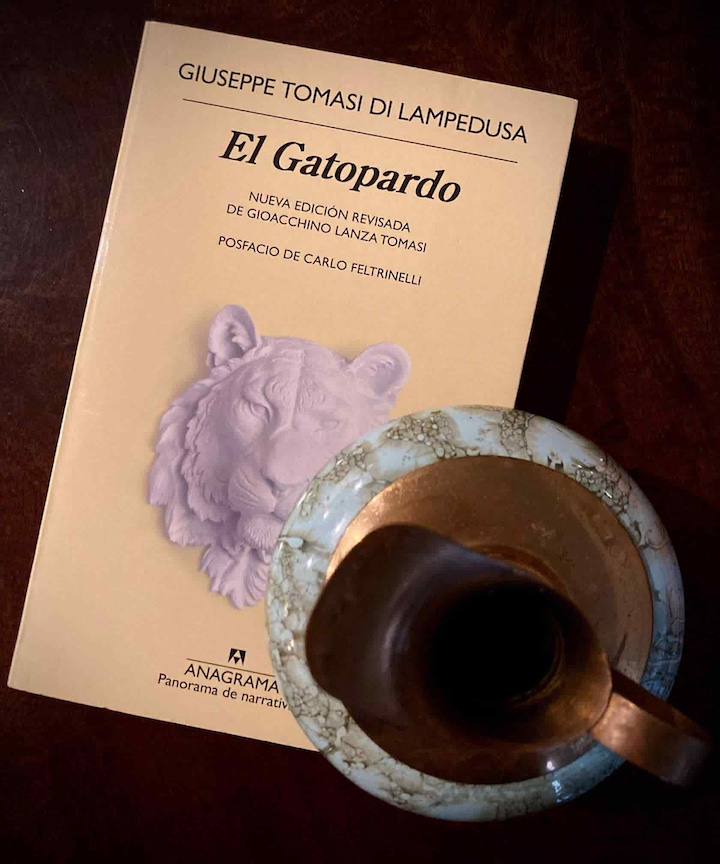
Despite initial rejection, this is a novel that endures as a masterful elegy to a lost world, whose narrative force continues to withstand the test of time and misreadings.

The death of Vargas Llosa marks the end of the Latin American boom, while Suzanne Levine’s ‘Unfaithful’ recounts her key role in its translation and personal transformation.

A book that marked the radical debut of Manganelli, who turned an allegorical descent into an exploration of language, with self-referential and philosophical prose that subverted traditional narrative.