
For Whom do the Classics Toll?
Reading to appear cultured: the eternal theater of the classics.
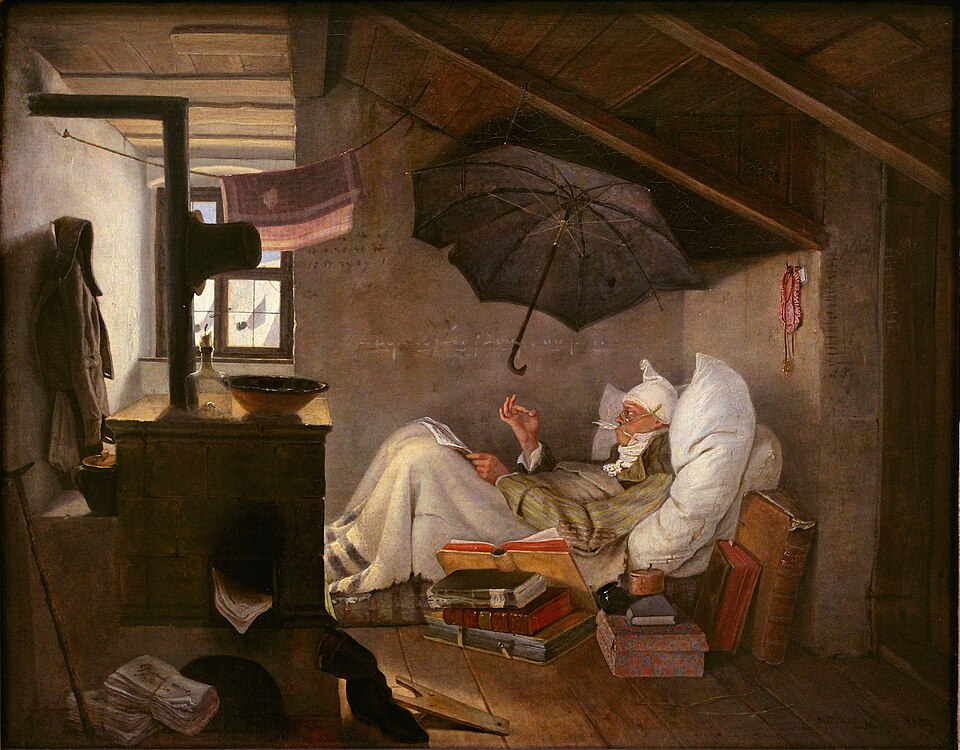
Reading to appear cultured: the eternal theater of the classics.

The booktuber’s teaching style reveals the tension between superficial promotion of reading and the depth of complex novels in the digital age.

The library is a refuge for unfulfilled desires, renewed readings, and losses due to exile, intertwining literary ambition, writerly vanity, and cultural fragility.

House for sale in Ohio decorated with 7,000 books as an ode to the appearance of reading.

The library, that labyrinth of knowledge and aesthetic pleasure, reflects the insatiable curiosity and chaotic order of a life devoted to reading.

A program in Brazil offers prisoners the opportunity to reduce their prison sentences in exchange for reading a certain number of books per year and writing reviews about them, as a measure to combat prison overcrowding.

The motivations for reading and writing are the product of chance and coincidence, not logic.

An exploration of the library as a reflection of the human spirit, where order and chaos, metaphysics and aesthetics intertwine, proposing a lived reading and a resistance to sterile fetishism.

I read to save myself. I read everything, Greek theater and Sholokhov’s trash. Marcel Proust and the terrifying Chapaiev.

After 30 years of epic patience, a California book club completed Finnegans Wake, tackling one page monthly amid debates, tears, and coffee.